

Fresh Start Finance Program

Fresh Start Finance Program
Life Happens. We Make It Easy To Get Back on Track.
Bad credit car loans at our 14 Washington dealerships start with a conversation, not a judgment. Answer a few questions, pick the store closest to you, and its finance team takes it from there. Lenders decide.
- All credit typesWelcome to apply at all 14 dealerships
- Lenders decideBanks, credit unions and auto finance companies
- 5 marketsLongview, Moses Lake, Yakima, Auburn and Washougal
- ITINOffered at our Auburn, Moses Lake and Yakima stores
Wherever your credit stands, start here
Our finance teams hear these every day across 14 dealerships. If one sounds like you, you’re in the right place.
No judgment. We’ve seen it all, and we will look at your options.
Late payments, collections, a repo, a layoff or a medical bill that got away from you: none of it shocks a finance team that sees credit like yours all the time. Tell us what happened in plain words.
Turned down for a car loan? Don’t give up yet.
One lender’s no is one lender’s decision. A lender that turns down your application has to give you the reasons or tell you how to ask for them (Regulation B). That letter shows us what to work on.
Life happens. Your next car is still possible.
Your score is one line in a bigger file. Lenders also weigh your income and debts, how much you borrow, what you put down and the car you pick (CFPB), and several of those are still yours to change.
High interest and old cars? There’s a better way.
Our dealerships aren’t buy here pay here lots, and the CFPB says buy here pay here rates tend to be higher. Our used cars pass a 137-point inspection and come with a 3-month / 3,000-mile limited warranty, a free CARFAX report and a 3-day / 300-mile exchange.
What the Fresh Start Finance Program is, and what it isn’t
The Fresh Start Finance Program is Bud Clary Auto Group’s name for the way our finance teams handle applications from people whose credit has taken a hit: late payments, collection accounts, a bankruptcy, a repo, or a credit history that’s just getting started. It isn’t a lender, a special loan or a government program. Our dealerships arrange the financing, and outside lenders make the credit decisions.
No one can promise you a loan before a lender has looked at your application. The FTC warns that legitimate lenders won’t promise credit before you apply, and that ads offering credit no matter your history are a warning sign.
What we can do: send a complete application to the lenders we work with, explain what a lender is asking for, and help you choose a vehicle that fits what it will finance.
How one application can reach more than one lender
In the CFPB’s words this is indirect auto financing: a dealer arranges the loan and stands between you and whoever lends the money.
Choose a dealership
Our Finance Centers page lists all 14 dealerships. Pick the one nearest you and open its online credit application, or fill it out in person.
Our finance team reads it first
Expect a call or an email about anything a lender will want to see, such as a recent pay stub, a benefits letter or proof of where you live. List your income as it really is; a lender may ask you to prove it.
It goes out to lenders
Your application can go to one or more banks, credit unions and auto finance companies. Credit union direct lending is part of the mix, so credit union rates sit alongside traditional financing.
Each lender makes its own call
A lender can approve the loan, decline it, or offer credit on different terms than you asked for, such as a smaller amount. Regulation B calls that last one a counteroffer.
You read the terms before you sign
Truth in Lending disclosures show the APR, the finance charge, the total of payments and the amount financed before you’re bound. You can also ask whether other lenders made offers with lower rates or better terms.
If every lender says no
Each lender that turns the application down has to send you a notice with its reasons, or explain how to ask for them (Regulation B). If your credit report figured in the decision, the notice also names the score that lender used (CFPB).
What our customers say
15,300+ five-star Google reviews across our 14 dealerships
-
“These guys were the greatest bunch of people I have ever dealt with buying a car,they basically went out of their way to get me into a great truck great price,and didn’t judge me based on my credit,I will buy from them from now on!!”
Lucas C., Bud Clary Auburn Chrysler Dodge Jeep Ram, Google review, April 2020
-
“I haven’t purchased a new vehicle myself in a long time, and tbh I had some anxiety over some of my credit challenges.”
Kristy S., Bud Clary Chevrolet, Longview, Google review, September 2019
-
“I have anxiety when I go to purchase big items why because people judge me based on how I look.”
Kat B., Bud Clary Moses Lake Chrysler Dodge Jeep Ram, Google review, March 2019
Sentences from 5-star Google reviews, quoted as written. Every buyer’s credit is different, and lenders make every credit decision.
Why volume helps, and where it stops
Across Longview, Moses Lake, Yakima, Auburn and Washougal, our finance teams send a steady flow of applications to the lenders we work with. That volume is how they learn what each lender looks for: the documents it asks for, what it wants to know about past credit trouble, and how it weighs the vehicle and the amount you borrow.
It means our finance teams can tell you up front what a lender is likely to need. It doesn’t change any lender’s rules, it doesn’t let us decide for a lender, and it can’t promise an outcome. Some applications are still declined.
Start with your situation
Three situations get a page of their own, because each one changes what a lender asks for and what you should bring, and first-time buyers get one too.
-
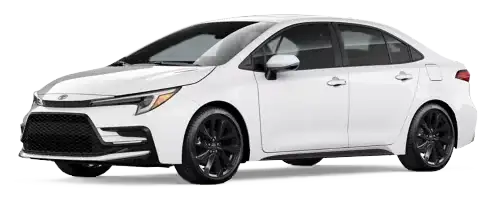
First-time buyers
No credit isn’t bad credit. It’s a starting point.
Buying your first car with little or no credit history: what lenders look at instead, the words you’ll hear, and what to bring.
Read the first-time buyer guide about No credit isn’t bad credit. It’s a starting point.
-

Bankruptcy
Bankruptcy auto loans
After a Chapter 7 discharge, or while a Chapter 13 plan is still running: the court papers a lender asks for, and when the trustee or the court has to approve new debt.
-
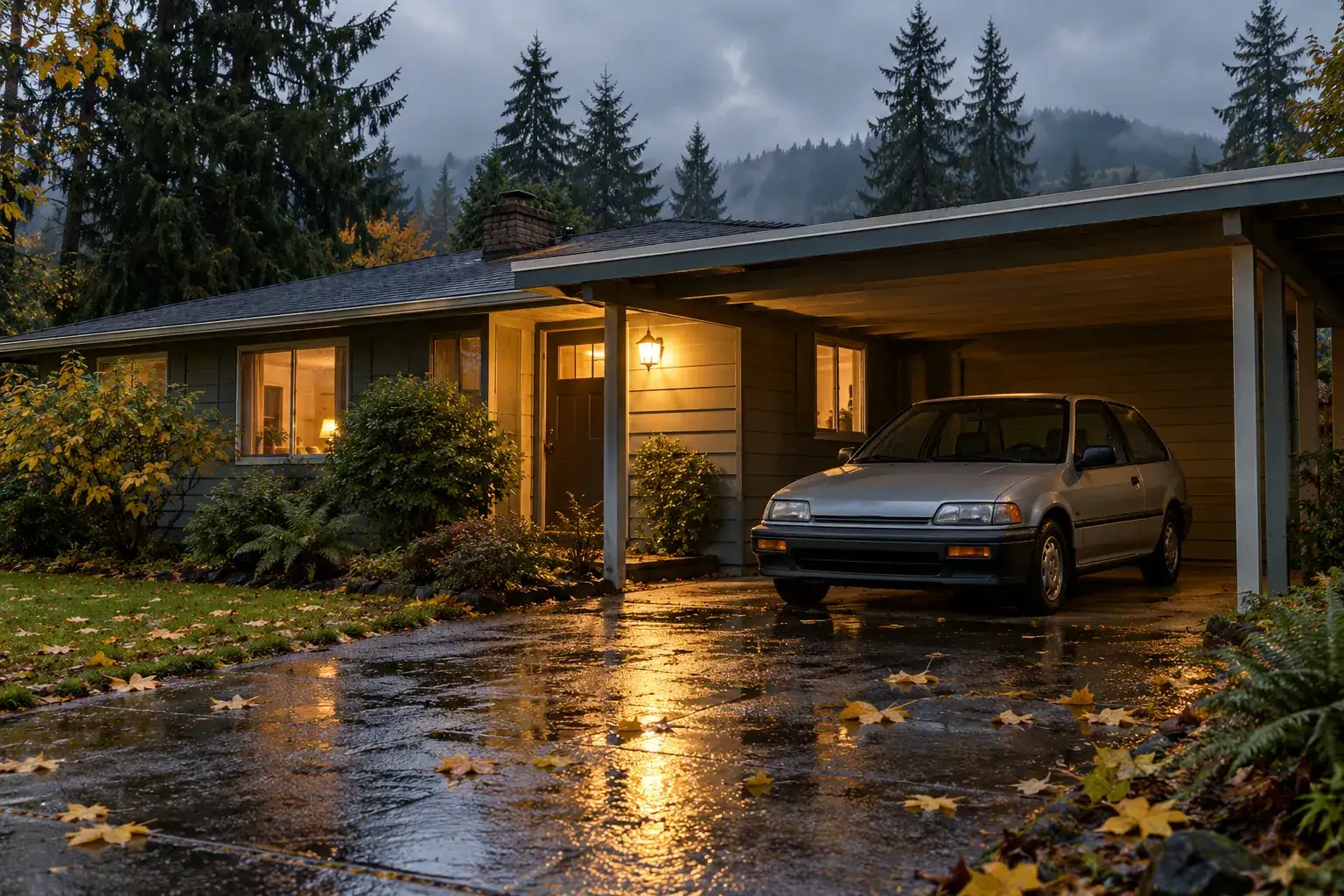
Repossession
Repossession auto loans
What a new lender sees after a repo, what a deficiency balance is, and the letters that answer a lender’s questions about the old loan.
-
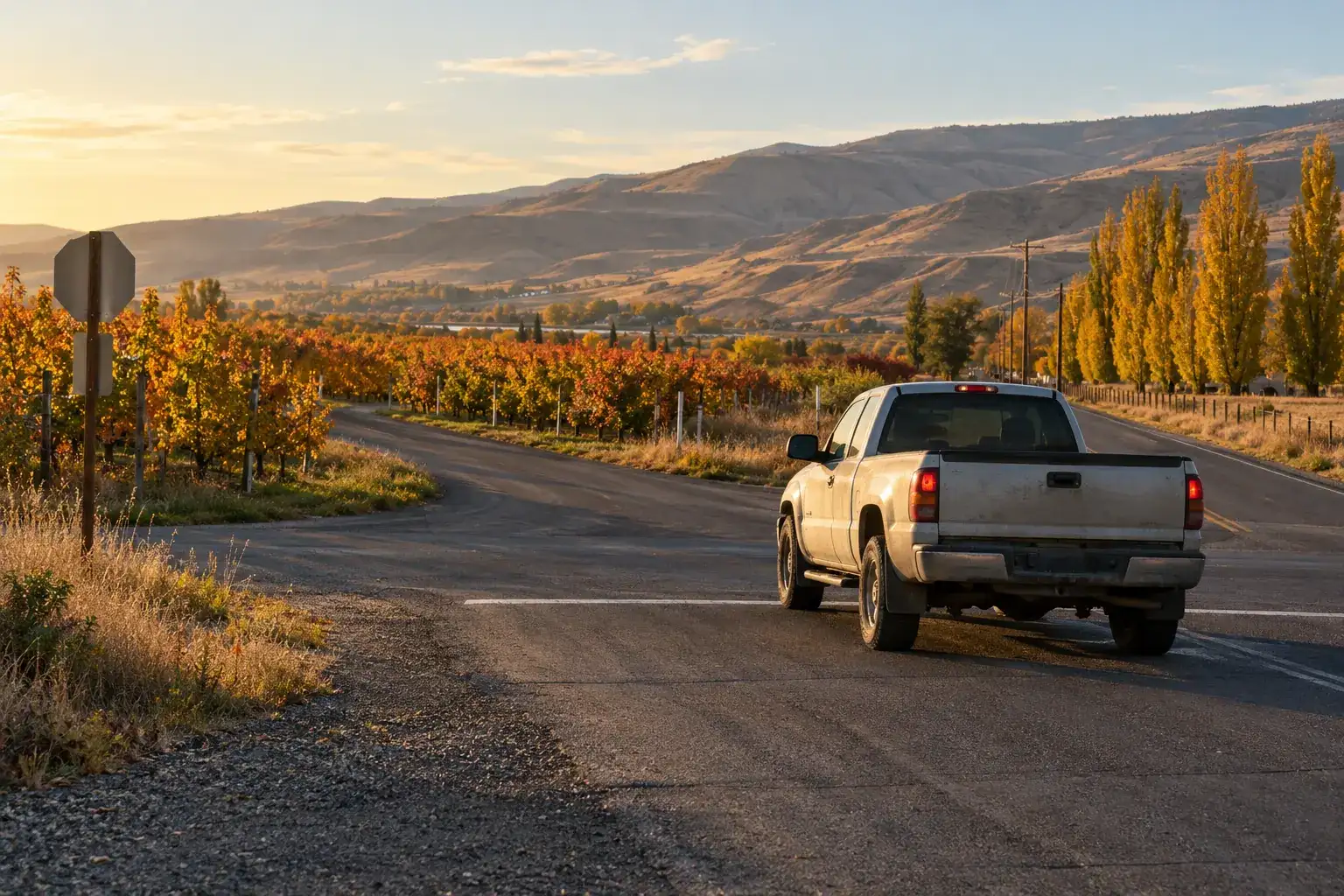
Buy here pay here
A buy here pay here alternative
We’re not a buy here pay here dealer. See how dealer-arranged financing compares, row by row.
What a lender looks at besides your score
What lenders weigh
From the CFPB’s list of factors lenders generally use to set a rate and terms:
- Your credit scores and credit history
- Your income and the debts you already pay
- The loan amount and the length of the loan
- Your down payment measured against what the vehicle is worth
- The type of vehicle, and whether it’s new or used
Income that can count
Under federal Regulation B, part-time pay, a pension and other retirement benefits can’t be discounted for what they are, and public assistance such as Social Security can’t be held against you. A lender may still weigh how much it is and whether it will keep coming.
- Wages, including part-time work
- Self-employment income, shown on your tax returns
- Social Security, disability and other benefits
- Pension or retirement income
- Child support or alimony, only if you want it counted
No Social Security number?
With ITIN financing, you apply using an Individual Taxpayer Identification Number in place of a Social Security number. Our Auburn, Moses Lake and Yakima stores take ITIN applications, and the lender decides whether to approve. For the documents and the steps, read Bud Clary Chevrolet of Moses Lake’s guide to car loans with an ITIN, or ask the finance team at any of those three stores.
Dustin’s Take

Dustin Schuler, Marketing Director
- What I wish buyers knew:
- We’ve been around since 1959 with no plans to go anywhere. You’d be surprised at some of the deals our lenders have funded for people who were turned down somewhere else. No approval is guaranteed, but it’s worth applying. And plenty of dealers say they offer ITIN financing, then you find out the one person who knew how to do it has left. That’s why we do it differently.
Read your own credit reports before you apply
Each of the three nationwide credit bureaus lets you check your report for free once a week at AnnualCreditReport.com, the official site for free reports.
A credit score isn’t part of those free reports (CFPB), and a score you buy may not be the one a lender uses. Read the reports for what they say about each account, and treat any score as a rough guide.
Old trouble doesn’t last forever on a report: the CFPB puts the limit at seven years for most negative items and up to ten for a bankruptcy.
Be wary of companies that charge to remove items from your report. The CFPB says no one has the right to remove accurate negative information, and real errors can be corrected at no cost.
Every dealership has its own page
Each dealership has its own Fresh Start pages, with that store’s address, hours and what to bring, plus its own first-time buyer and bankruptcy guides. Pick the store closest to you.
Moses Lake
Auburn
Yakima and Washougal
Bud Clary Toyota of Yakima is in Union Gap. Westlie Ford keeps its own name.
Vehicles that fit what a lender will finance
A lower price means a smaller loan, and the loan amount and your down payment against the vehicle’s value are both on the CFPB’s list above. Start with used vehicles under $20,000, or browse every used vehicle on this site.
Found the right one at a store across the state? We’ll move a used vehicle to the dealership nearest you at no charge, as soon as the same day.
Every used vehicle we sell gets a 137-point inspection and comes with 2 oil changes and 2 tire rotations, a 3-month / 3,000-mile limited warranty and a free CARFAX report. The 3-day / 300-mile exchange covers a change of heart: within 3 days or 300 miles, we’ll exchange it.
Trading in? We handle the payoff with your lender directly, and a trade-in lowers the taxable price of your next vehicle, so you pay less sales tax. Value your trade online before you visit.
Before you sign anything
Washington gives you no cooling-off period on a car purchase: the Attorney General’s office notes there is no three-day cancellation right once you sign. Read every page first, and ask about anything you don’t understand.
Some deals are written subject to financing. In that case the dealer has four days, Saturdays, Sundays and legal holidays excluded, to accept the contract as written or call it off (RCW 46.70.180). If it’s called off, the dealer must offer back what you put down and your trade-in, and the vehicle goes back to the dealer. The AG’s office adds that you don’t have to accept new terms, such as a bigger down payment, if a dealer calls afterward asking for them.
A negotiable documentary service fee in an amount up to $200 may be added to the sale price or the capitalized cost.
Questions people ask
-
How do you get a car loan with bad credit?
Start with a credit application, either through a dealership’s finance team or directly with a bank or credit union, and have proof of income and residence ready. At our dealerships one application can reach more than one outside lender, and each lender decides. Reading your free credit reports first shows you what those lenders will see. -
Can you promise me an approval?
No, and approval is never guaranteed. Lenders decide after they see your application, and the FTC warns that legitimate lenders won’t promise credit before you apply. -
Is there a credit score cutoff for a car loan?
There isn’t one cutoff. Each lender sets its own standards and looks at your score alongside your income, your debts, the loan amount and the vehicle. -
Do lenders check my credit when I apply?
Yes. A lender that considers your application will usually pull your credit report, and that shows up as an inquiry. The CFPB says auto lenders’ inquiries generally count as one when they fall inside a 14 to 45 day window. -
Do I need a down payment with bad credit?
That’s up to the lender, and the amount can change with the vehicle you choose. Cash, trade-in equity or both can count, and you’ll see the figure in writing before you sign. -
What if I have no credit history yet?
You can apply. With no file to go on, a lender relies more on what you can prove, such as your income and how long you’ve lived where you do. A co-applicant can join the application; the FTC points out that a co-signer shares full responsibility for the contract. -
Does Social Security or disability income count?
It can. Regulation B treats public assistance as income a lender may not hold against you, though the lender can look at how much you receive and how long it will continue. Bring your benefits letter. -
Is the Fresh Start Finance Program a government program or a special loan?
No. It’s Bud Clary Auto Group’s own name for how the finance teams at our 14 dealerships handle applications from people whose credit has taken a hit or is just getting started. The loans come from outside lenders, on their terms.
Pick a dealership, then apply online
Our Finance Centers page lists all 14 dealerships with their hours and phone numbers. Choose one and open its credit application whenever it suits you.
About the author
Written by Dustin Schuler, Marketing Director, Bud Clary Auto Group. Reviewed October 2026. About Dustin